

Custom Card Printing for All Occasions
We make creative custom card designs! Send us your idea to discuss. Send a note








Custom Card Printing – How it Works
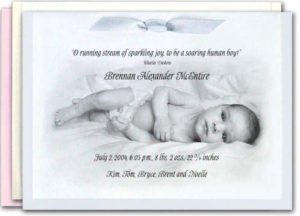
Just choose from our variety of creative custom designs, and provide the text (and a photo, if applicable). From our original design (above) to modern looks with your photo, we can help.
In addition to the designs available on our site, we offer individualized design services for a small additional fee. Just let us know what you are looking for, and we will provide a quote.
Creative Custom Card Designs for 30 Years
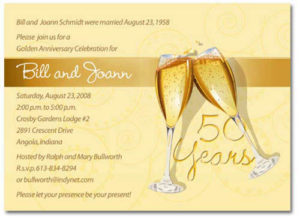
We started with birth announcements (hence the funny name), but offer all types of custom card printing, from shower invitations, to memorial cards, to 50th anniversary invitations, and every other occasion you may have. Can we help you with your special occasion?
We make custom card customization that express what you want, and your recipients love receiving. It’s like having your personal artist. Just choose a design, and we will adapt it the way you want. Simply fill out the form on the page where you see your design, and we can get started. Once we have finalized all the details and your preferences, we will send an invoice and proof. When payment is received, we launch your custom card printing and ship the cards to you. The turnaround for the proof is 2 business days, so you normally receive your cards in about a week with ground shipping for in-stock items.
Kerri Brimmer has been making creative custom card designs with Naptime Productions since 1996. Email naptimecustomcards@gmail.com to discuss your custom card
Fully guaranteed, you can return the entire shipment for a full refund (less shipping) if you are dissatisfied.