Chinese Wedding Traditions
Brides and grooms are increasingly incorporating their ethnic backgrounds into their weddings today. According to the Association of Bridal Consultants, the largest trend in wedding receptions today is blending the bride or groom's heritage into the celebration.
Brides who wish to bring their Chinese traditions into their special day have many options to choose from. They can be true to form to a traditional Chinese wedding celebration, or may simply decide to include a few touches significant to them and their family's history.
One of the most predominant features in a Chinese wedding is the color red, which is found in nearly every element of the wedding celebration. To the Chinese, red symbolizes happiness, love, and wealth.
"The bride traditionally wears a red gown called a cheongsam," says May Chan, a Chinese American. These long tailored dresses are made from traditional Chinese silk brocades, and normally have cap sleeves or are sleeveless. "In the past century, the white wedding gown has become acceptable for the ceremony and wedding pictures, but the bride changes into a cheongsam during the reception."
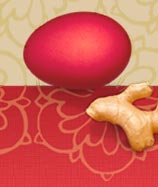
Red, which is considered an auspicious color year round, is also used for the tablecloths and napkins. Hard-boiled eggs, served at the reception, are often dyed red.
Chinese wedding receptions are usually held in Chinese restaurants or banquet rooms, which traditionally have red walls with gold accents.
"Typically, there will be huge golden dragon and a golden phoenix on one wall along with the Chinese symbols for luck, prosperity, happiness and health," explains May. The phoenix and the dragon are considered the "perfect" couple in Feng Shui. These symbols can easily be incorporated into wedding invitations, favors, banners, and gifts.
Gold is also dominant in Chinese weddings. The bride often accessorizes her hair with gold combs and picks. The accessories usually also include pearls and iridescent sequins, which represent wealth.
"Traditionally, the bride pulled her hair back from her face and used red carnations and roses on the back of her head," says May. "When the bride's hair was adorned with the elaborate combs and gold, every time she moved her head, the ornaments would swing and draw your eyes to her face."
"Family and friends traditionally give the couple monetary gifts or jewelry," says May. "The amount of jewelry the bride wears represents how much she is loved by her family." Even the monetary gifts come with some red attached. Many of the guests give the couple small red envelopes filled with money.
Although the bride does not traditionally carry a wedding bouquet in a Chinese wedding, flowers are very much a part of the decor. Gladiolas and roses are often seen in Chinese weddings. Calla lilies and white flowers, which signify death and funerals, are avoided.
The Chinese graph for the double happiness symbol also dominates the wedding celebration. The symbol is a special Chinese graph that expresses marital happiness. The double happiness symbol is often incorporated into the jewelry which the bride wears. Today's brides have many opportunities to include the double happiness symbol in their wedding, from favors, to napkins, to their wedding invitation.
Following the trend toward cultural themes in weddings, Naptime Productions chinese wedding invitations include a double happiness invitation, a red and gold "true love" invitation and red rose designs that all are appropriate for a Chinese-style wedding.
Other good luck symbols can be found in the wedding decor, including the symbols for prosperity, health, fish, and children.
The number eight is also significant in Chinese weddings. The banquet usually features eight dishes. "The number eight in Chinese rhymes with a word which means prosperity, so to the Chinese, the number 8 is a lucky number," says May.
Today's brides are finding many ways to honor their Chinese heritage. Some follow traditional dress and ceremonies, while others bring a few Chinese touches to a modern wedding, such as the couple's name printed on a set of chopsticks or Chinese favors packaged in takeout boxes sealed with the double happiness symbol.